Impact & Insights

Results & Success Stories

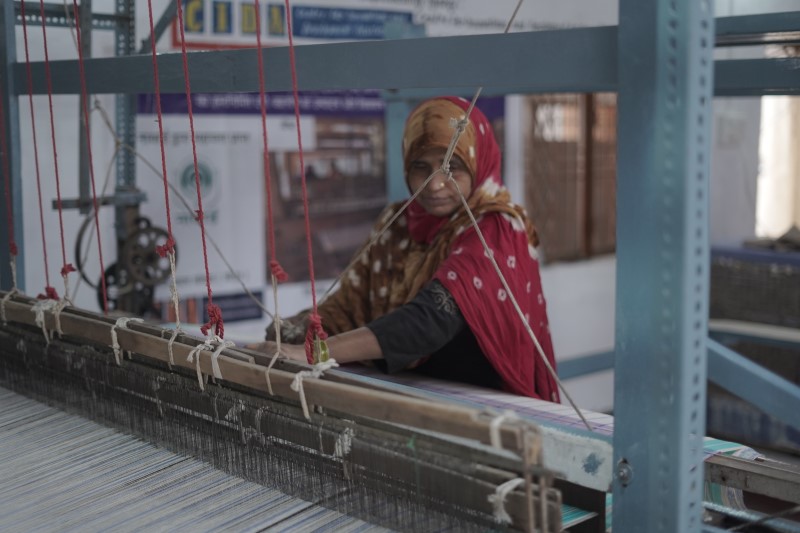
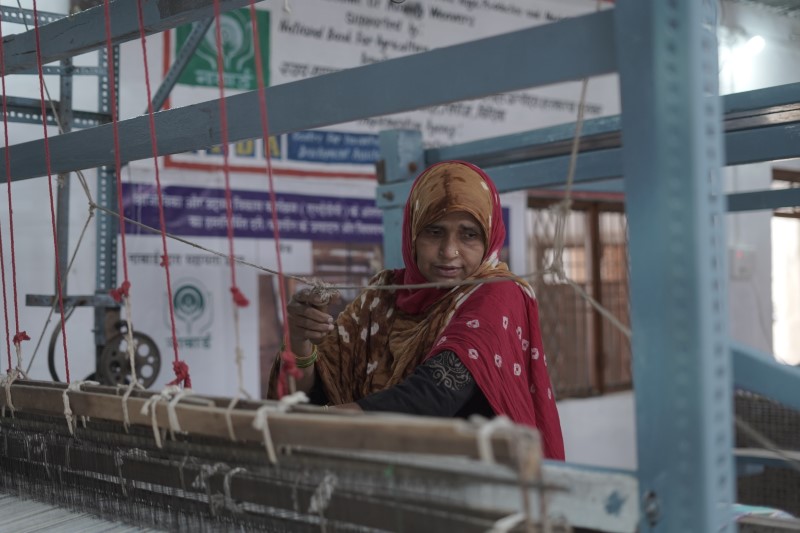
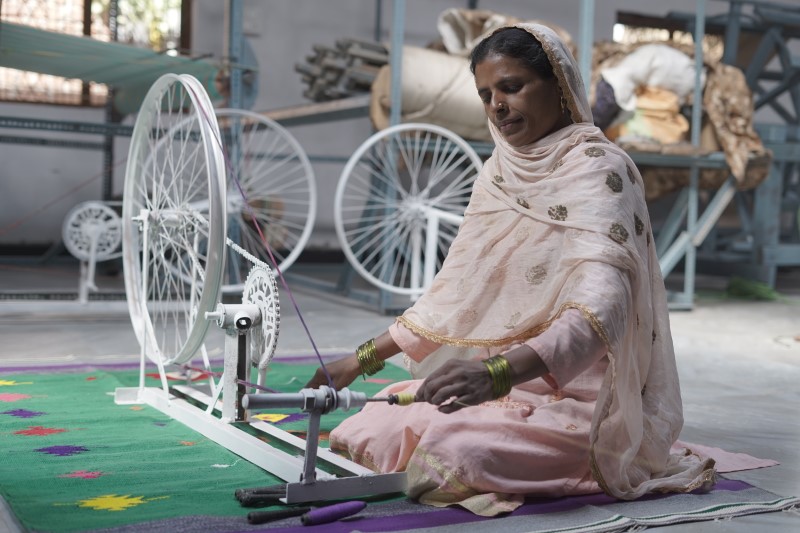
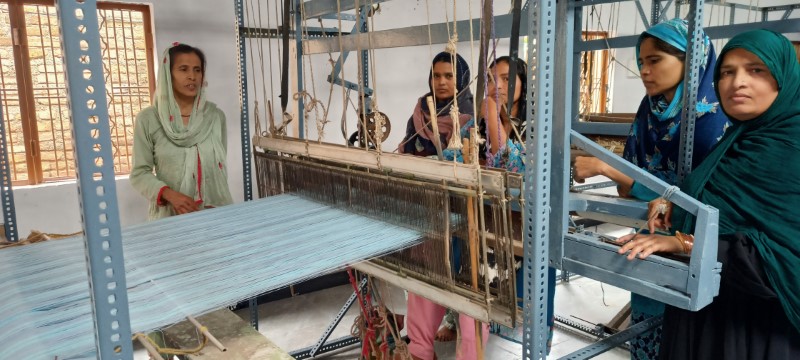
Sironj Weavers Revive a Dying Craft and Launch Their Own Brand

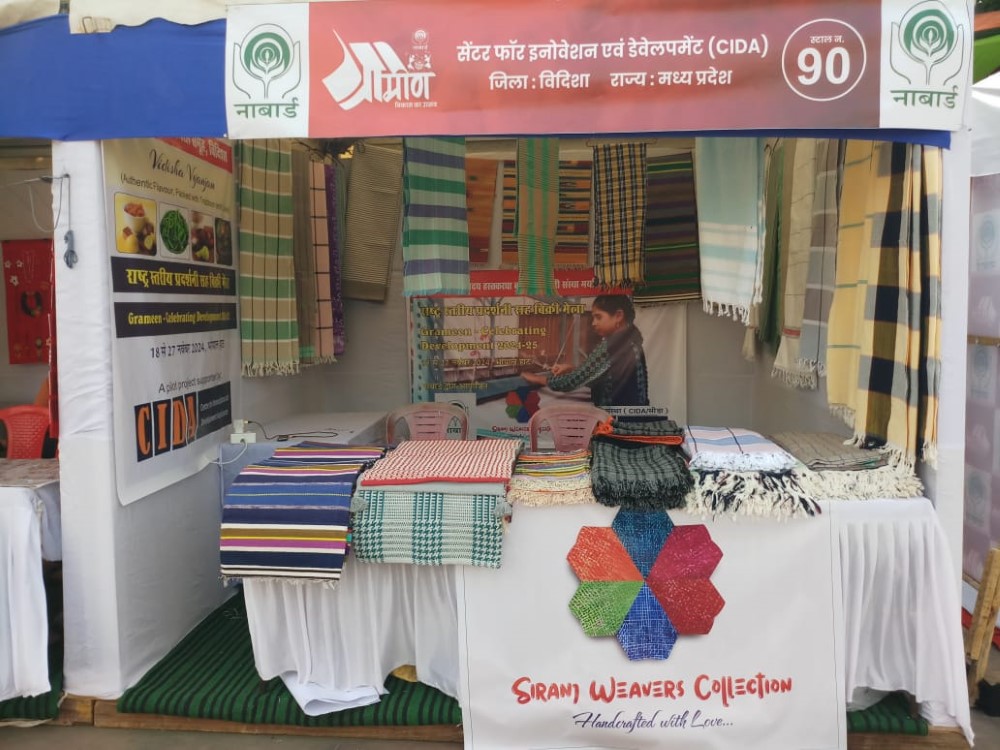
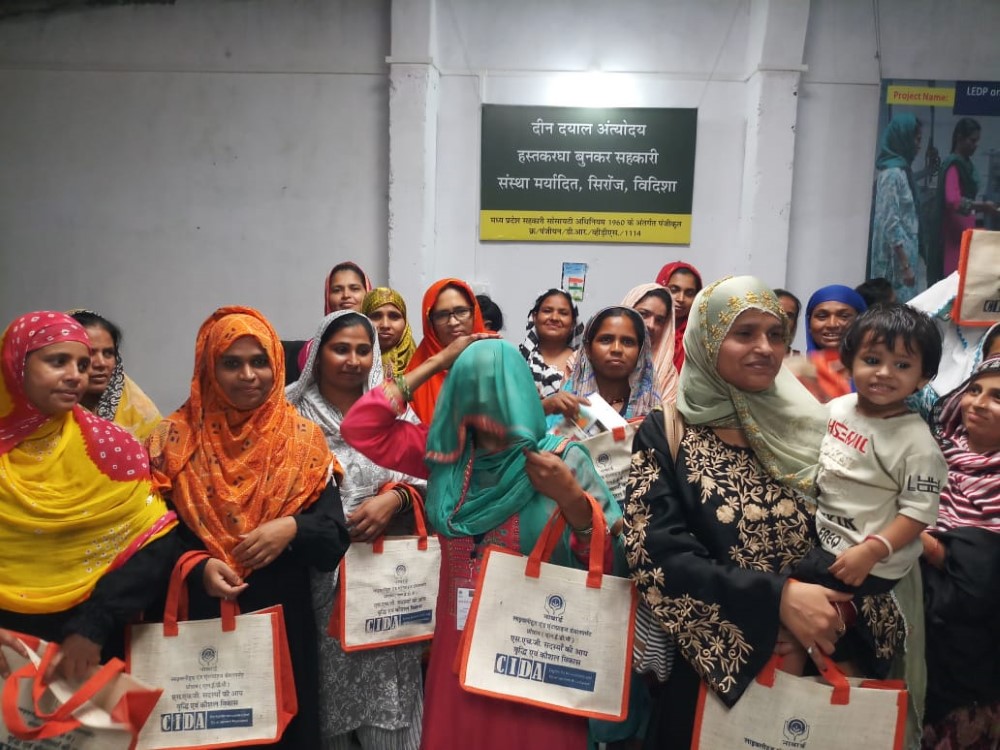
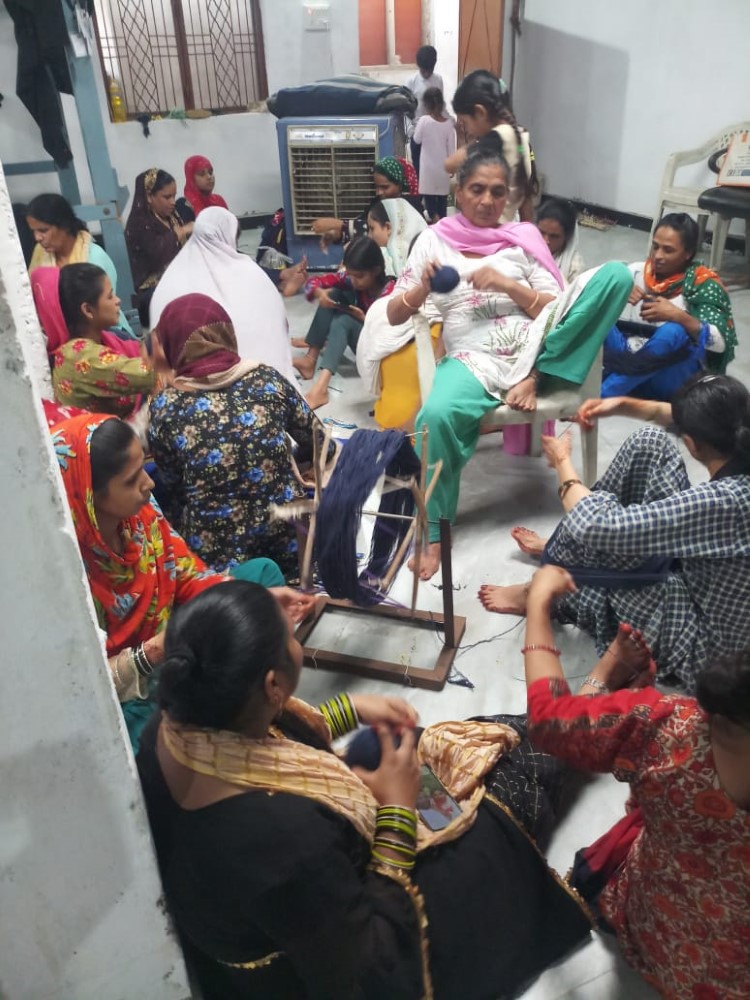
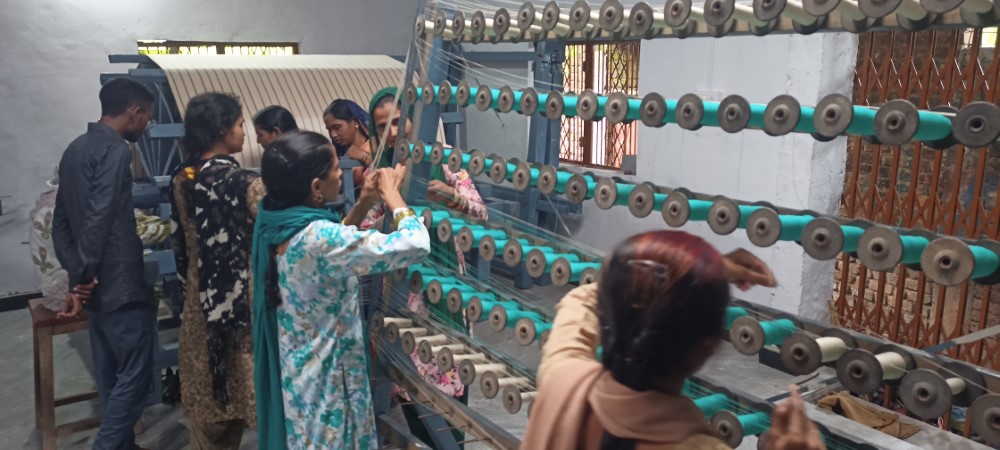
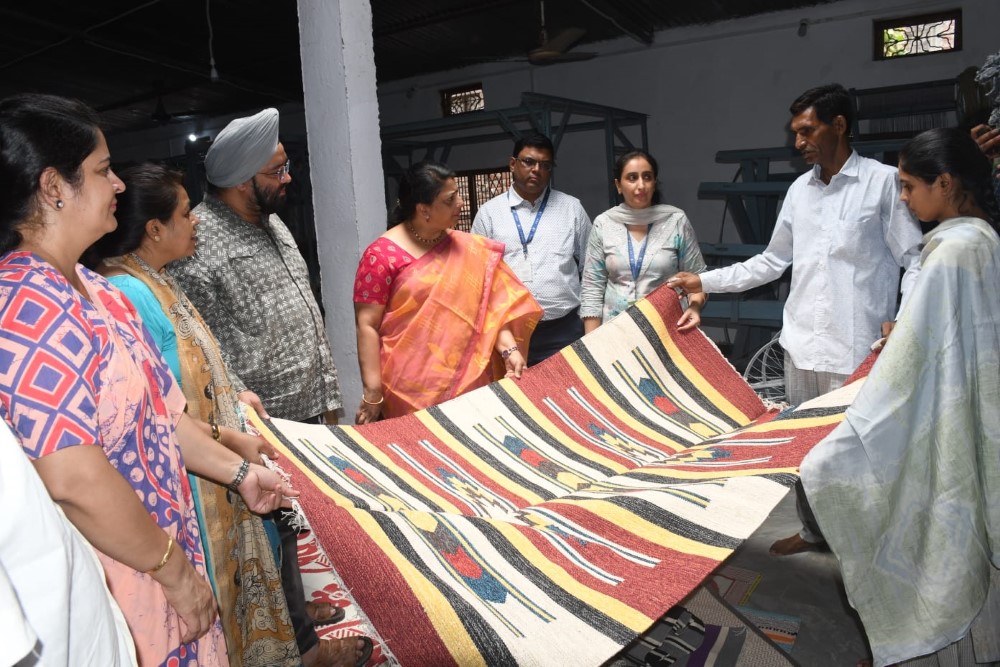
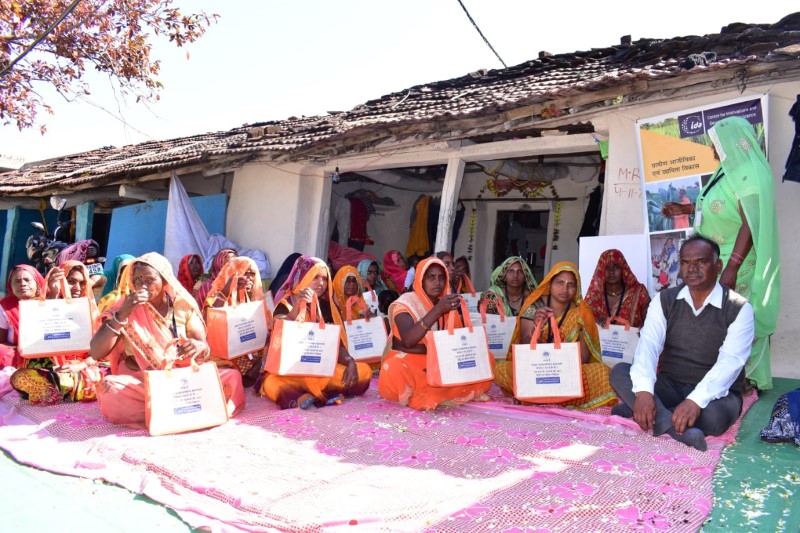
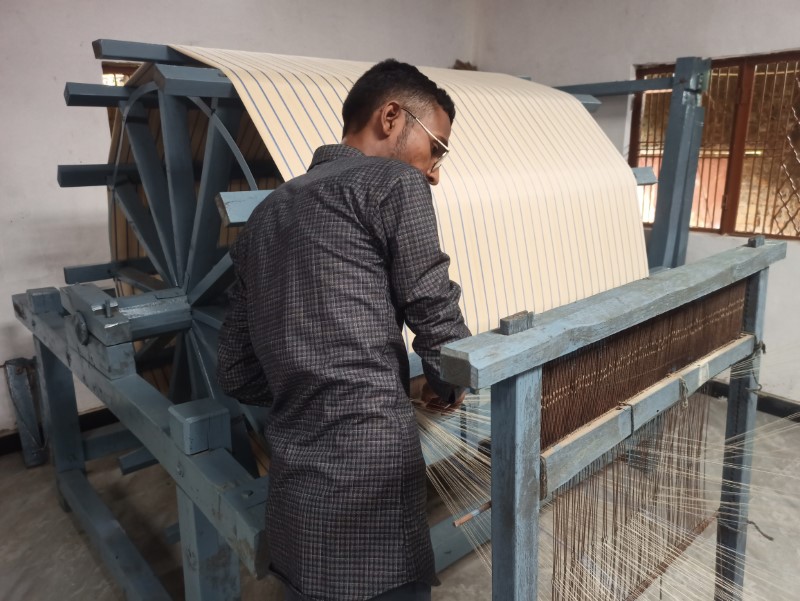
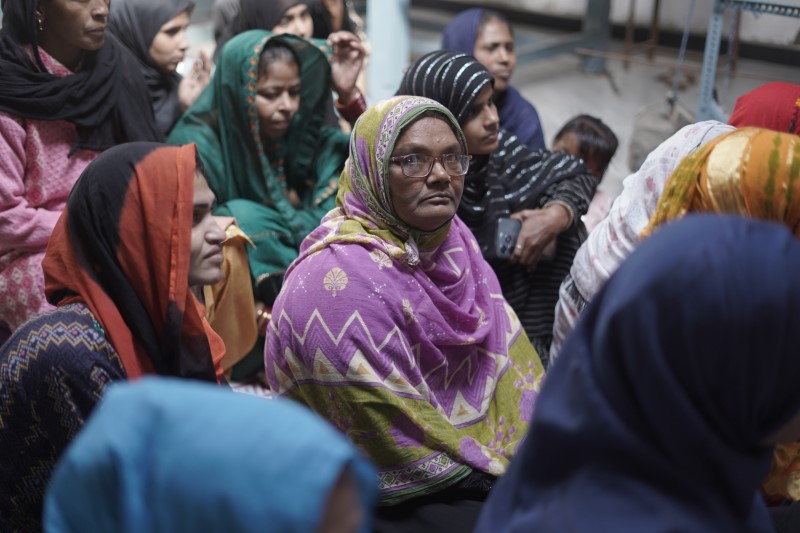
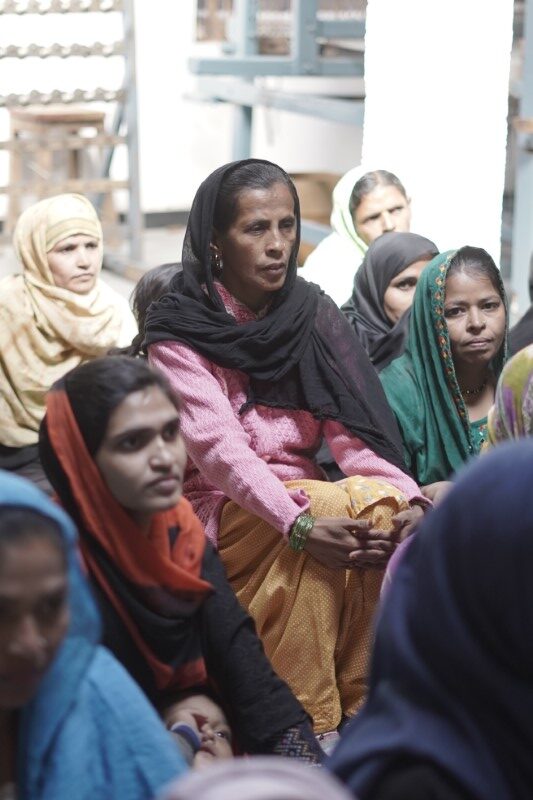
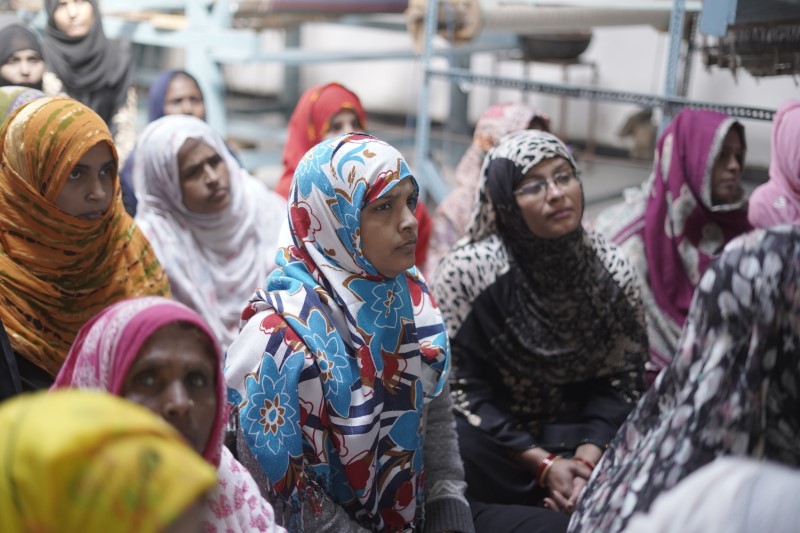
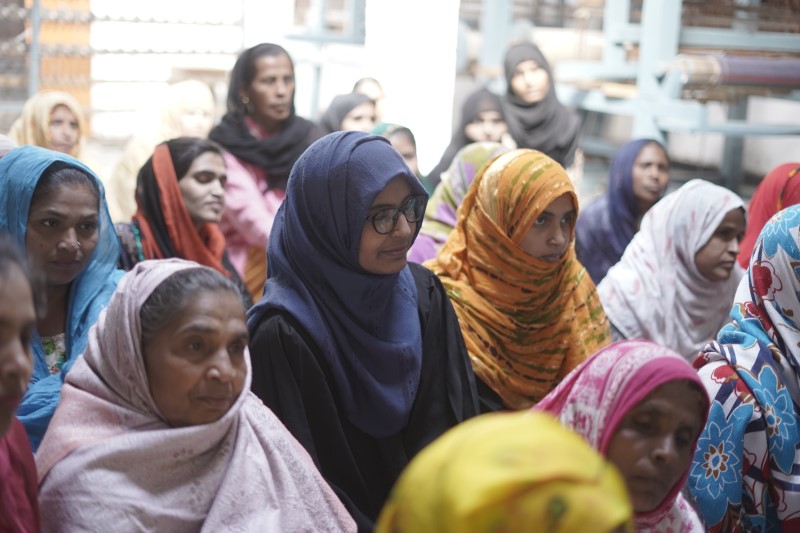
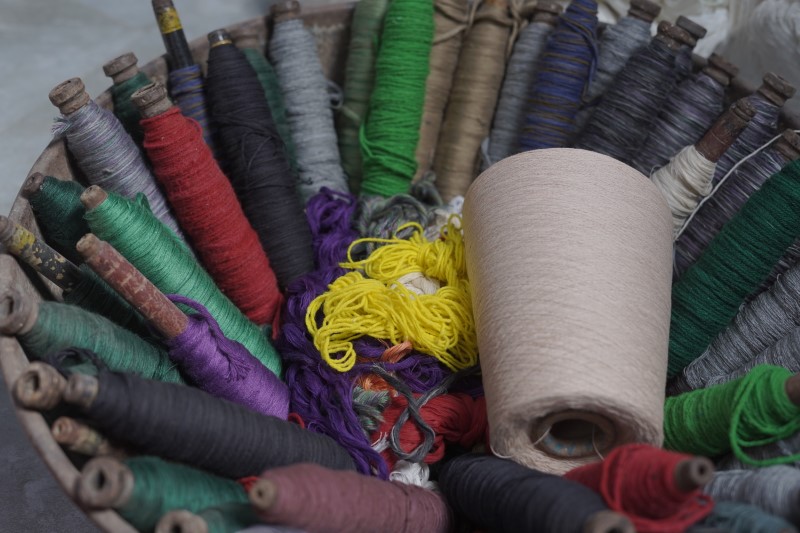
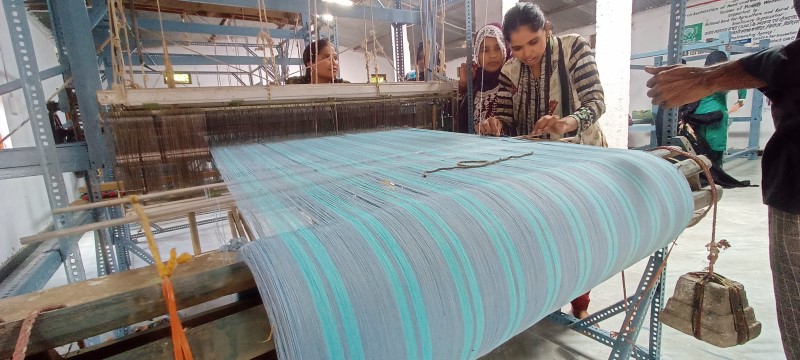
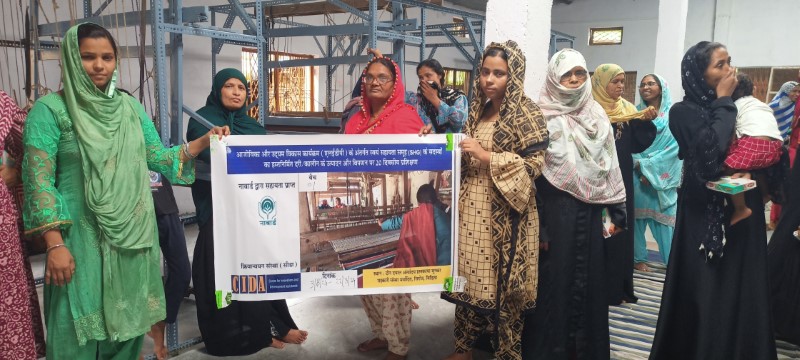
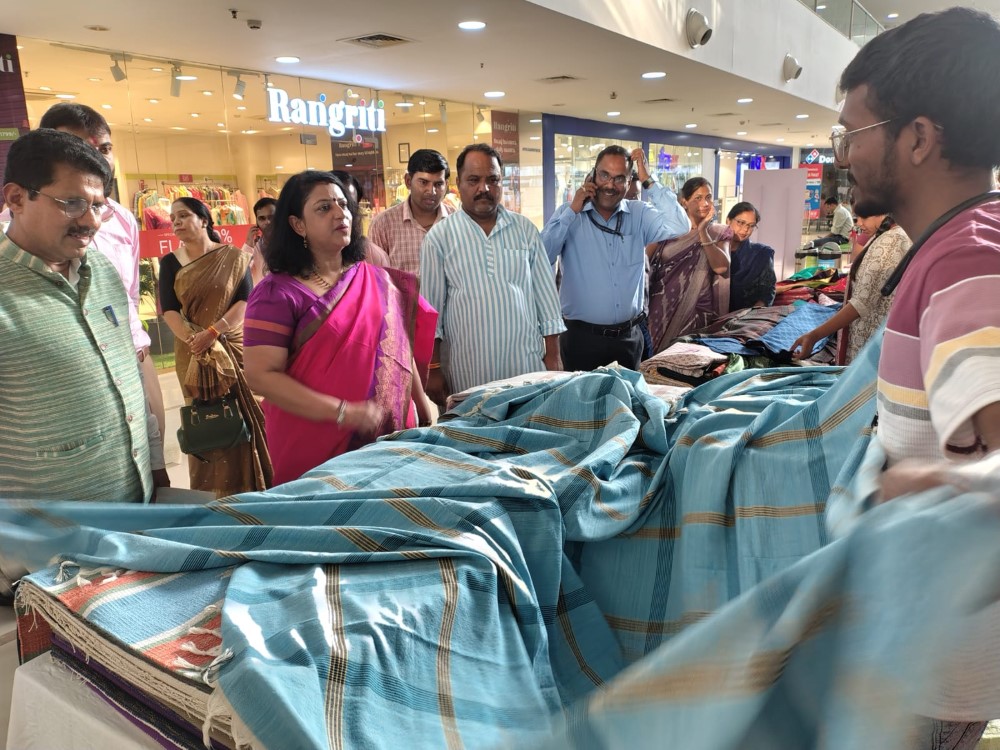
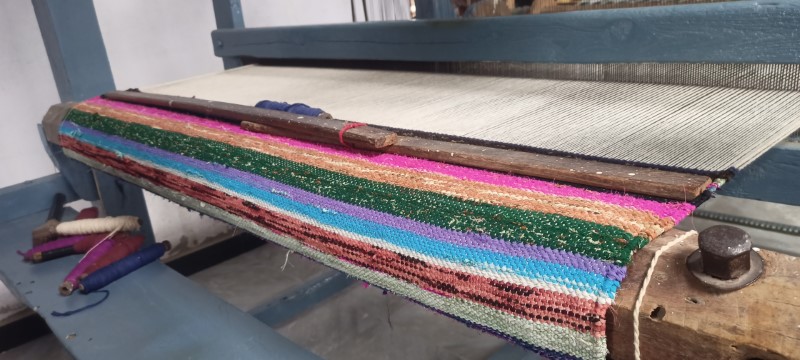
Under the LEDP project supported by NABARD, 60 minority women in Hajipur village rediscovered the art of handwoven durries and rugs—some returning to looms after decades. Through intensive training, infrastructure support, and branding workshops, these women co-created the “Sironj Weavers Collection”, now live on social media and ONDC. Their participation in regional fairs led to ₹1 lakh+ in sales and media coverage. More than economic gain, it revived pride, identity, and confidence among women artisans.

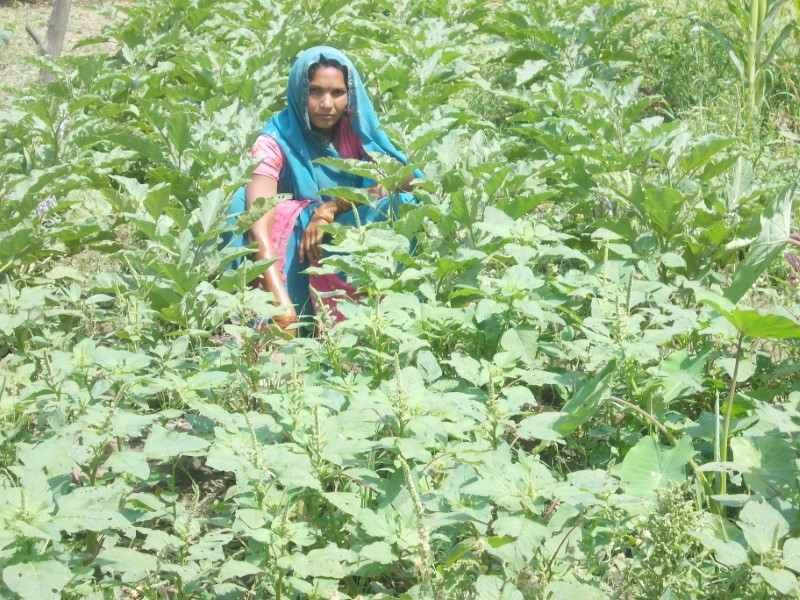
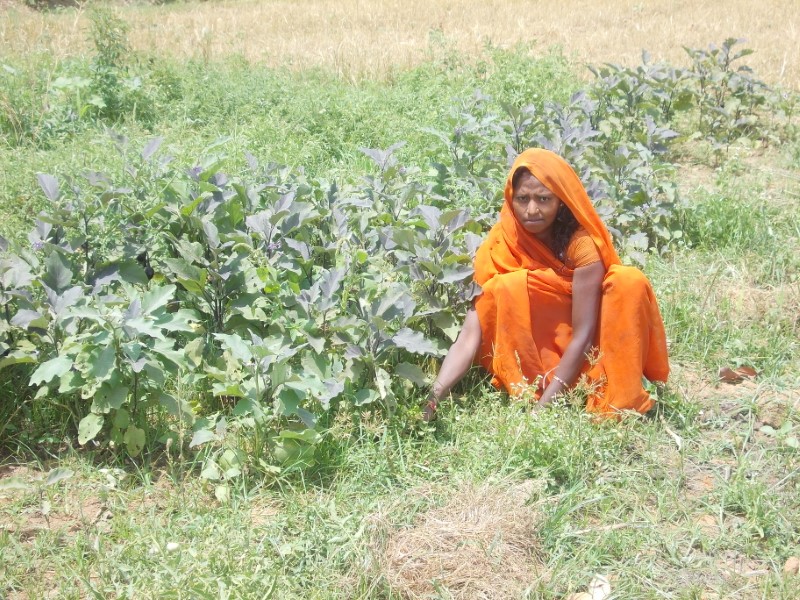
From Farmers to Entrepreneurs: SHG Women Grow Income Through Agri-Skills

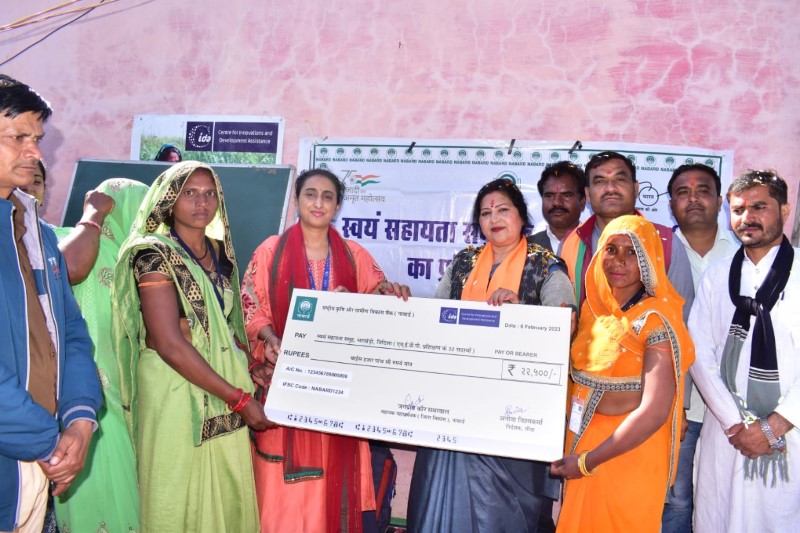
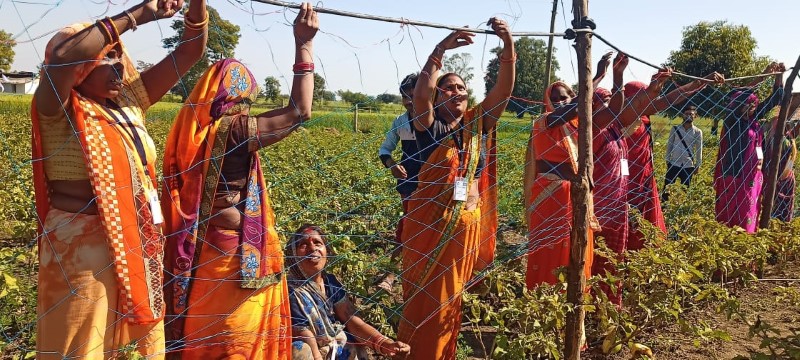
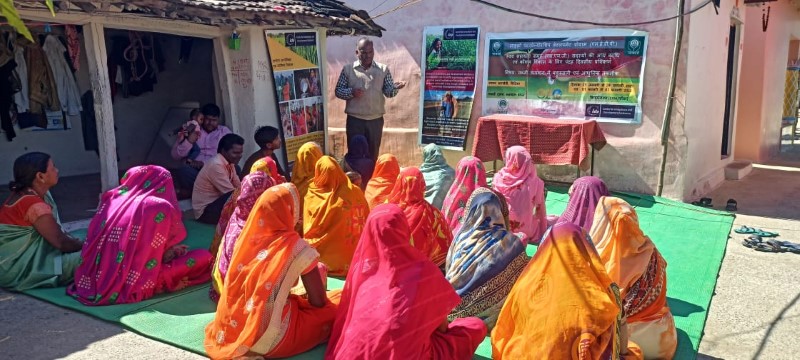
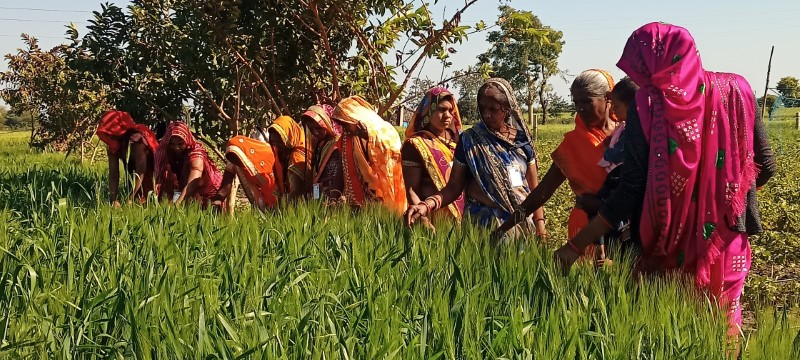
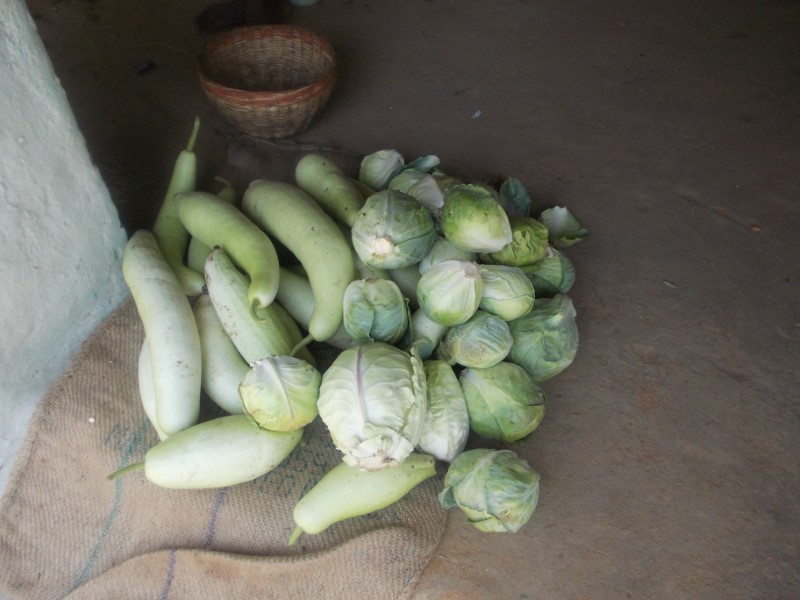
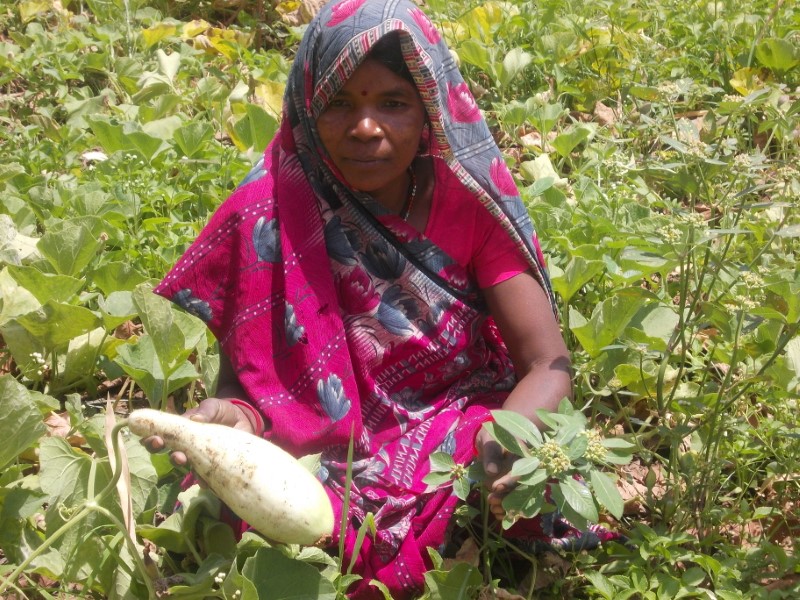
In Bhatkhedi village, 32 SHG women turned knowledge into action through the MEDP. Equipped with skills in organic vegetable farming, pest control, and post-harvest practices, they developed business plans and formed micro-enterprise groups. Many reported reduced input costs and improved crop quality within months. Their growing confidence in accessing markets and managing agri-finance marked a shift from subsistence farming to small-scale entrepreneurship—laying a foundation for long-term livelihood security.

Digital Empowerment Leads to Market Expansion

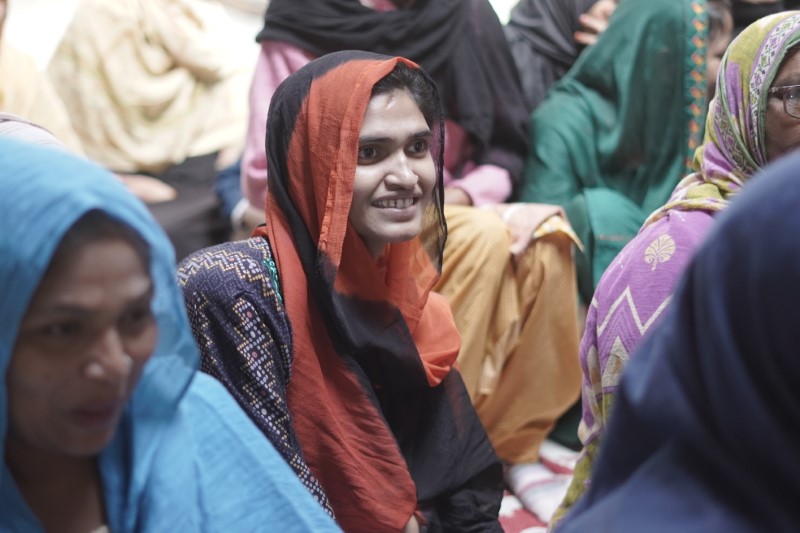
Through CIDA’s digital marketing workshops, SHG women in Sironj learned how to showcase products via WhatsApp Business, Instagram, Facebook, and YouTube. Their new skills helped them build online visibility, communicate with buyers directly, and tell their craft stories in their own voices. This led to not only increased sales but deeper engagement with customers and partners—opening up new channels for future growth.

Banana Farming Brings a Fresh Start for Women SHGs in Shahdol

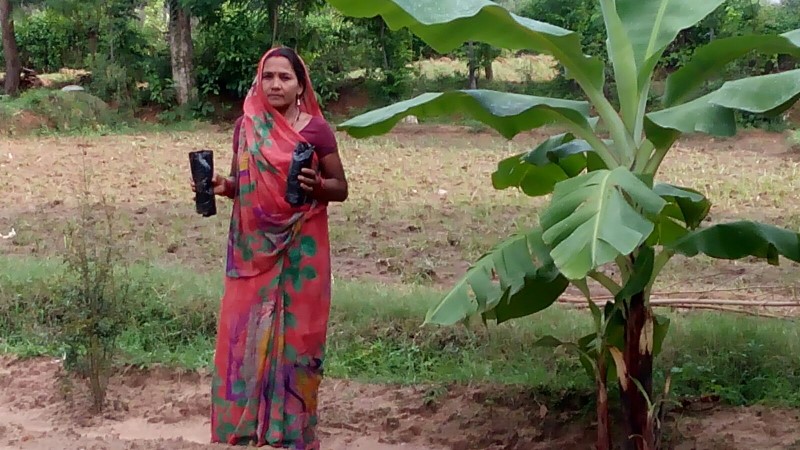
In Shahdol, Madhya Pradesh, tribal women from Self-Help Groups broke new ground—literally—by venturing into collective banana cultivation. Supported through CIDA’s livelihood promotion efforts, these women received training in crop planning, plantation techniques, and collective farm management. The result? A successful harvest, increased income, and greater confidence in taking on non-traditional roles in agriculture. For many, this marked their first step into entrepreneurship, transforming marginal land into a productive, shared asset.
Tribal Farmers Go Organic—and See Results

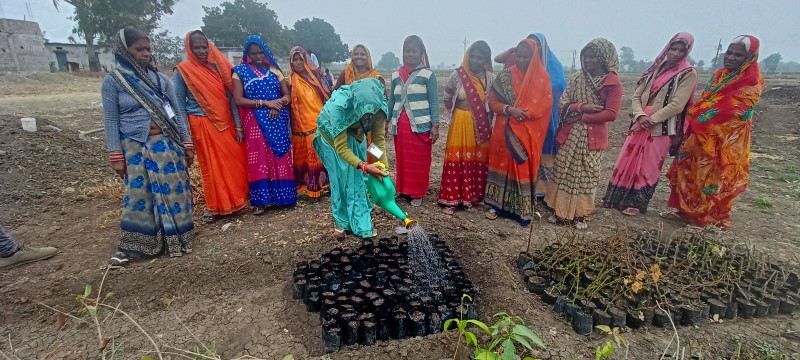
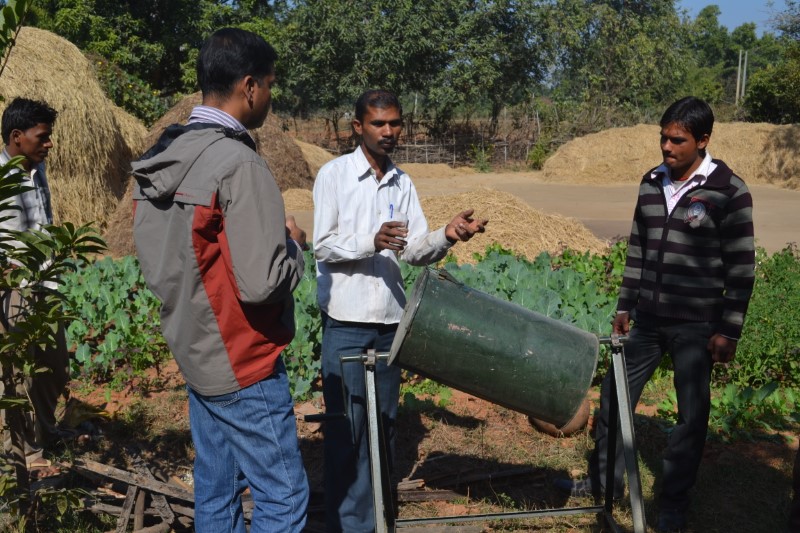
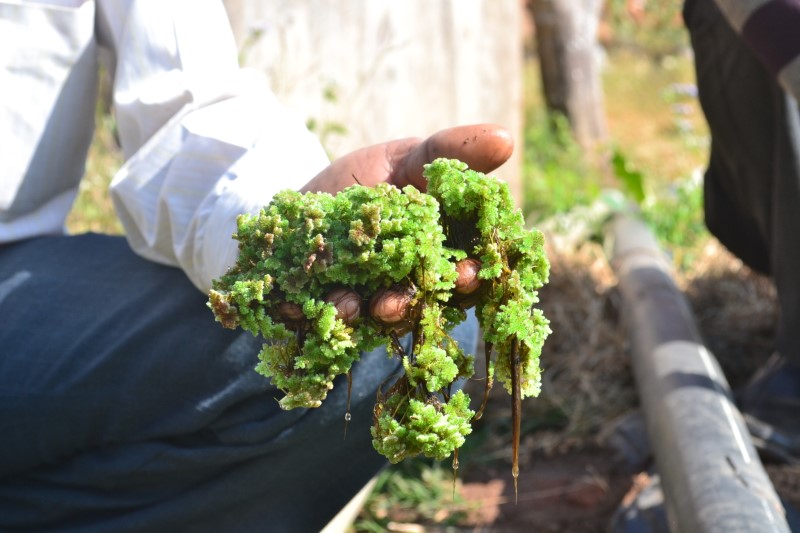
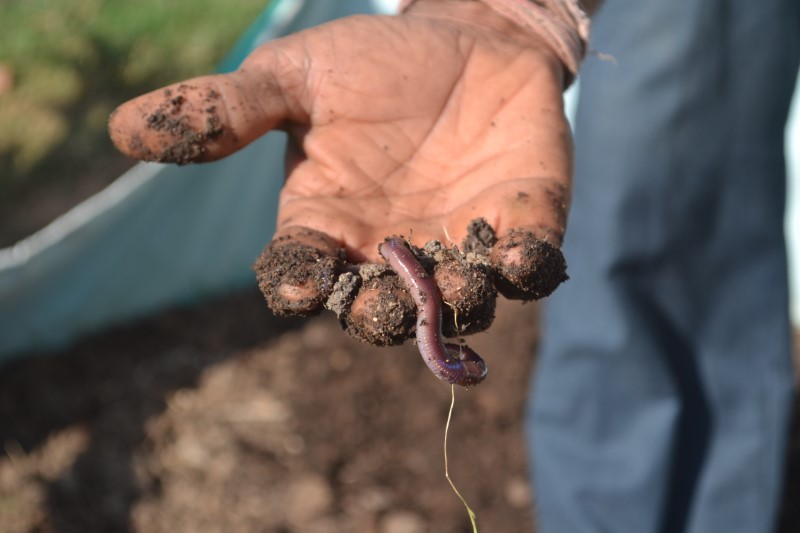
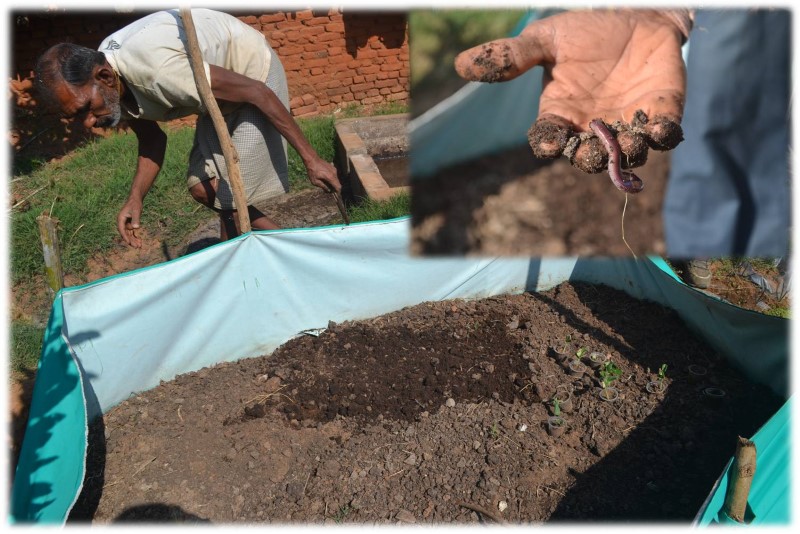
In interior tribal pockets of Madhya Pradesh, CIDA supported smallholder farmers to adopt eco-friendly practices like azolla cultivation, vermi composting, and natural pest control. These practices not only improved soil health and crop yield but also lowered input costs—making farming more resilient and sustainable. The shift to organic methods helped build climate-smart farming skills while preserving traditional knowledge. Today, many of these farmers are seen as local innovators, inspiring others in their communities to follow suit.
Media & Gallery